








Beyond Bricks
Role :
UI/UX Designer
Duration :
3 Months
Industry :
Toy & Gaming
Augmented Reality
Opportunity :
What I needed to understand :
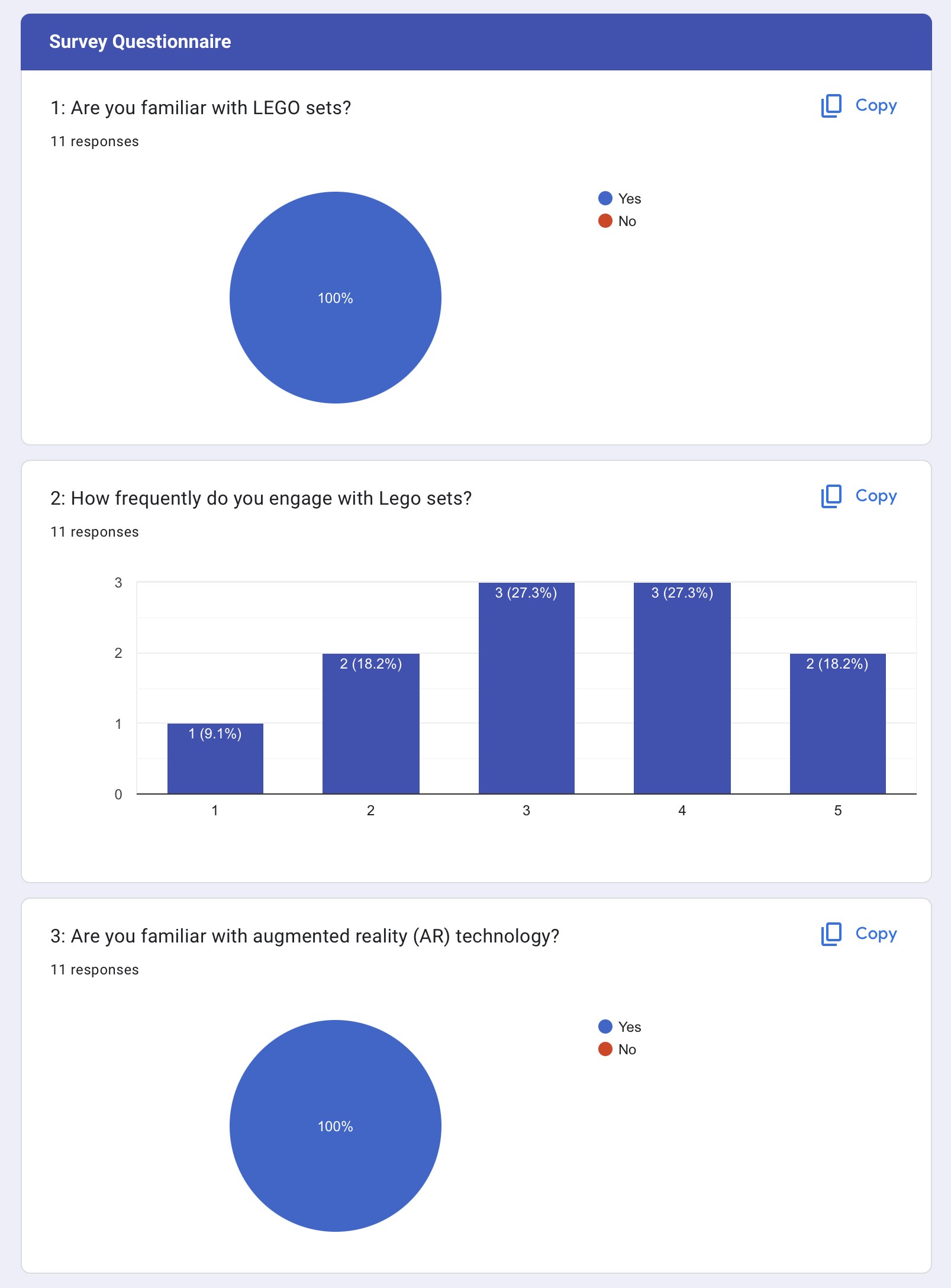
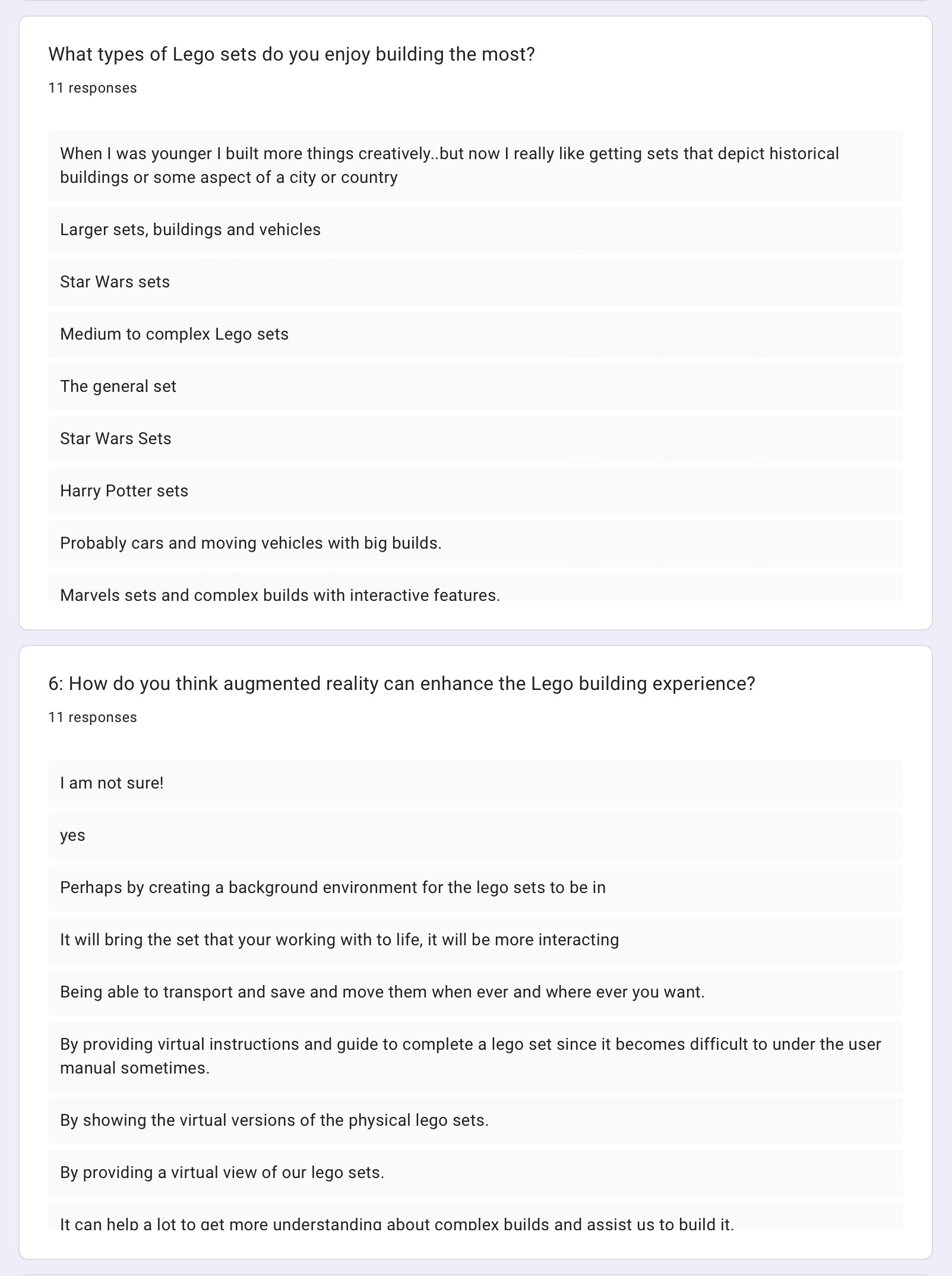
After summarizing the interviews, the key points were referenced based on the insights and then organised into various categories depending specific codes. These specific codes were then organised in the form of affinity diagram to identify patterns, insights, and priorities,leading to more effective problem-solving, decision-making, and planning.
A total of 8 Categories were created based on Expectations, Pain points, Experiences, User engagement, creativity, Satisfaction, inspiration, and similar apps that the users mentioned about during their interviews and almost 130 notes were created after dividing these categories

Market context
The competitors were divided into two categories: Direct Competitors (Play and Entertainment Companies) and Indirect Competitors (Augmented reality games and apps). This analysis was conducted based on the reviews from platforms like Trustpilot, play store and app store. Some businesses, like Niantic and Bandai Namco, concentrated on offering products for age groups other than children whereas most of the competitors exclusively had children as their primary target audience. Additionally, as a building block for learning that might assist in framing some features for this application, some prospective feature suggestions were also obtained based on this analysis

What was discovered
Three opportunity areas emerged
Support the build
Complex LEGO builds could benefit from more contextual guidance.
Extend the life of a creation
Completed builds could become digital experiences users can revisit.
Create reasons to return
Challenges, rewards and social interaction could keep users engaged.
From insights to product direction
What made the cut?
The resulting direction
The product would bring together:
Build Support
Help when users need it.
Digital Collection
Give Completed creations a persistent digital experience.
Challenges & rewards
Create reasons to return
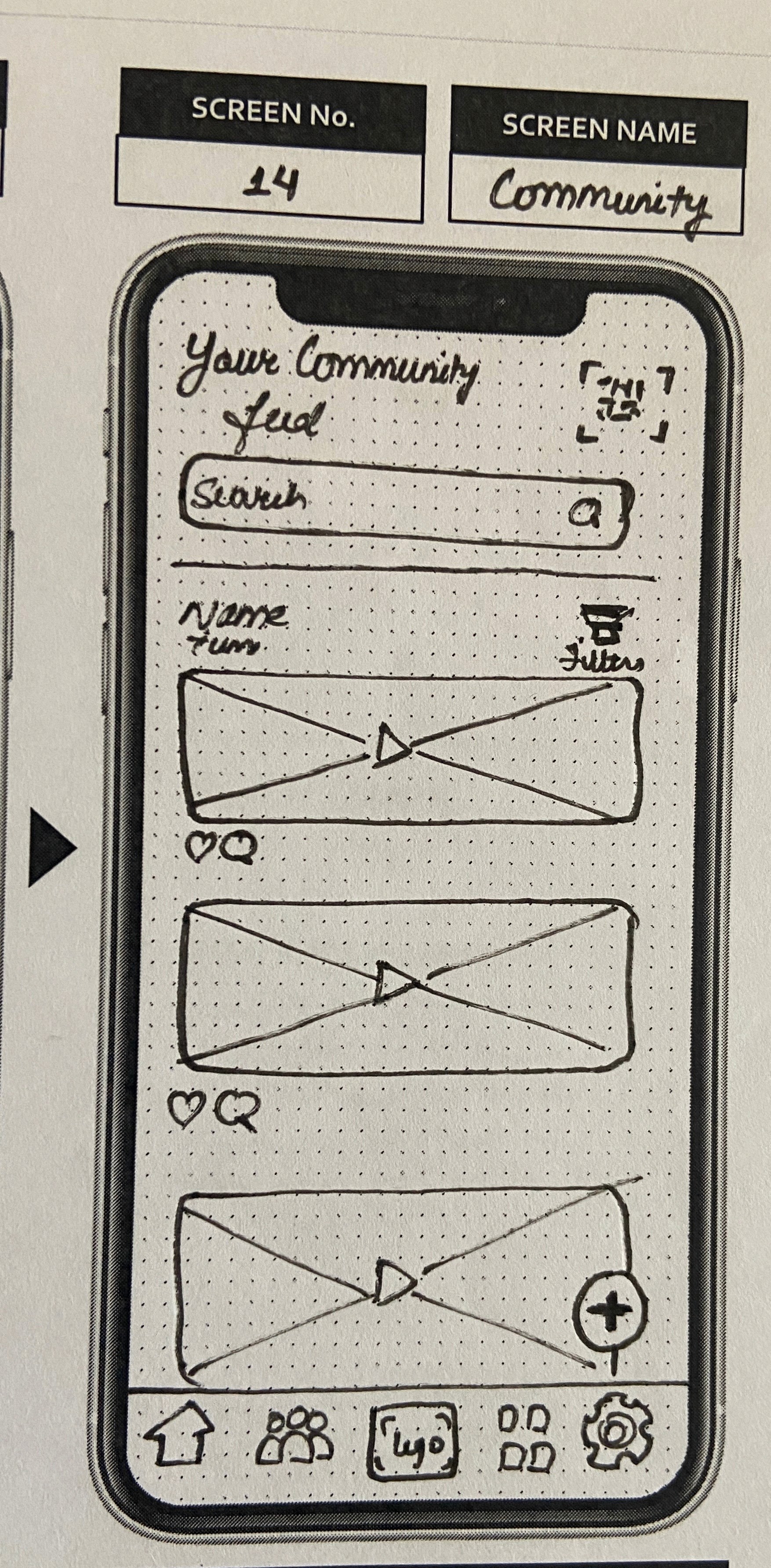
Community
Give Builders a place to share their creations.
I explored where immersive technology could add value to the opportunities identified through research.
This led to two applications:
AR Instruction Guide : Contextual support during complex builds.
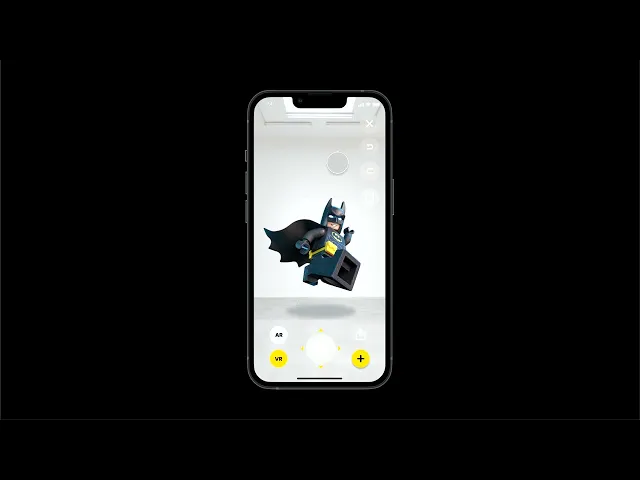
AR/VR Collection : A way to experience completed creations digitally.
The technology became a means to solve identified opportunities
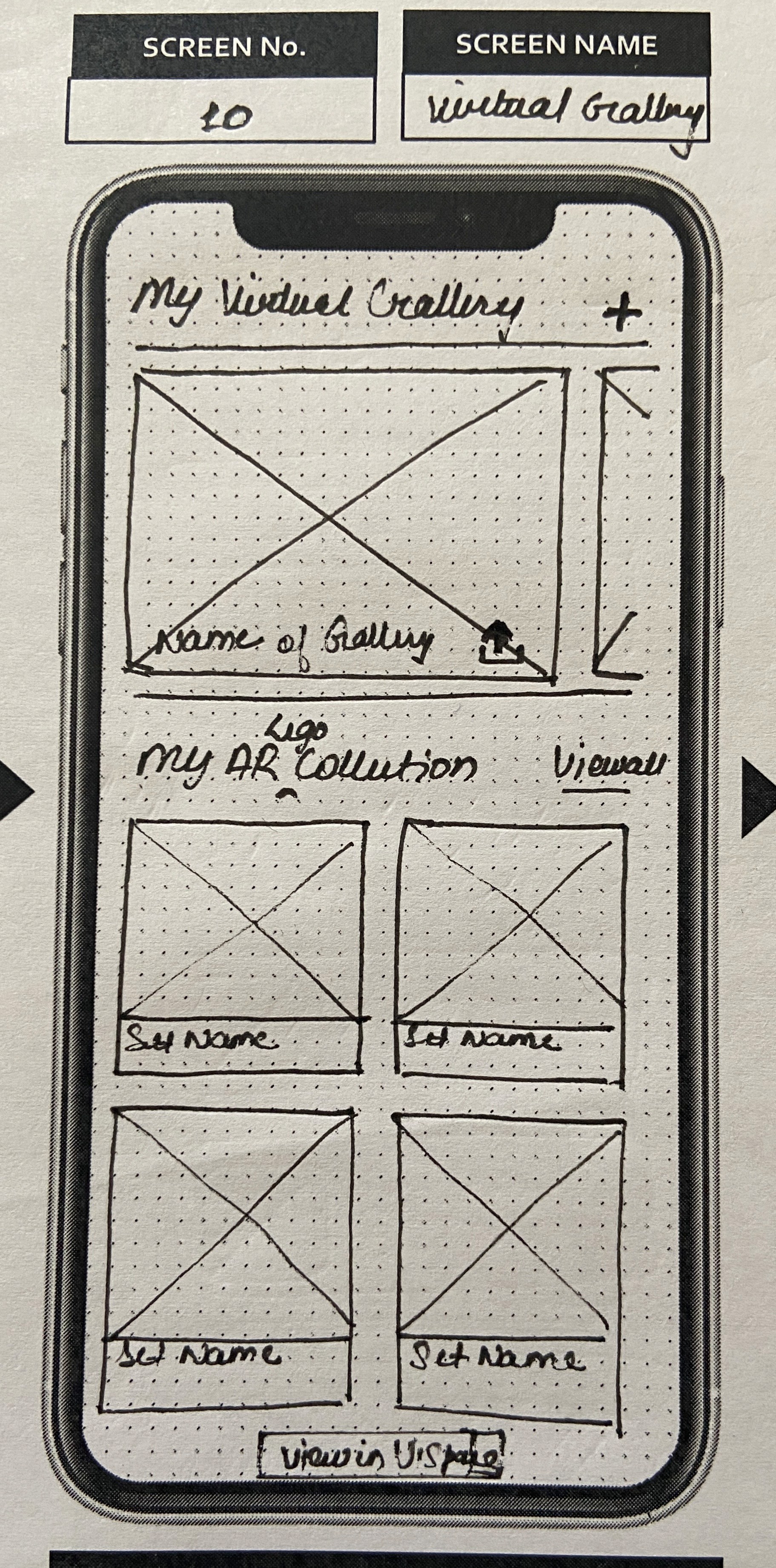
Turning the concept into a usable structure
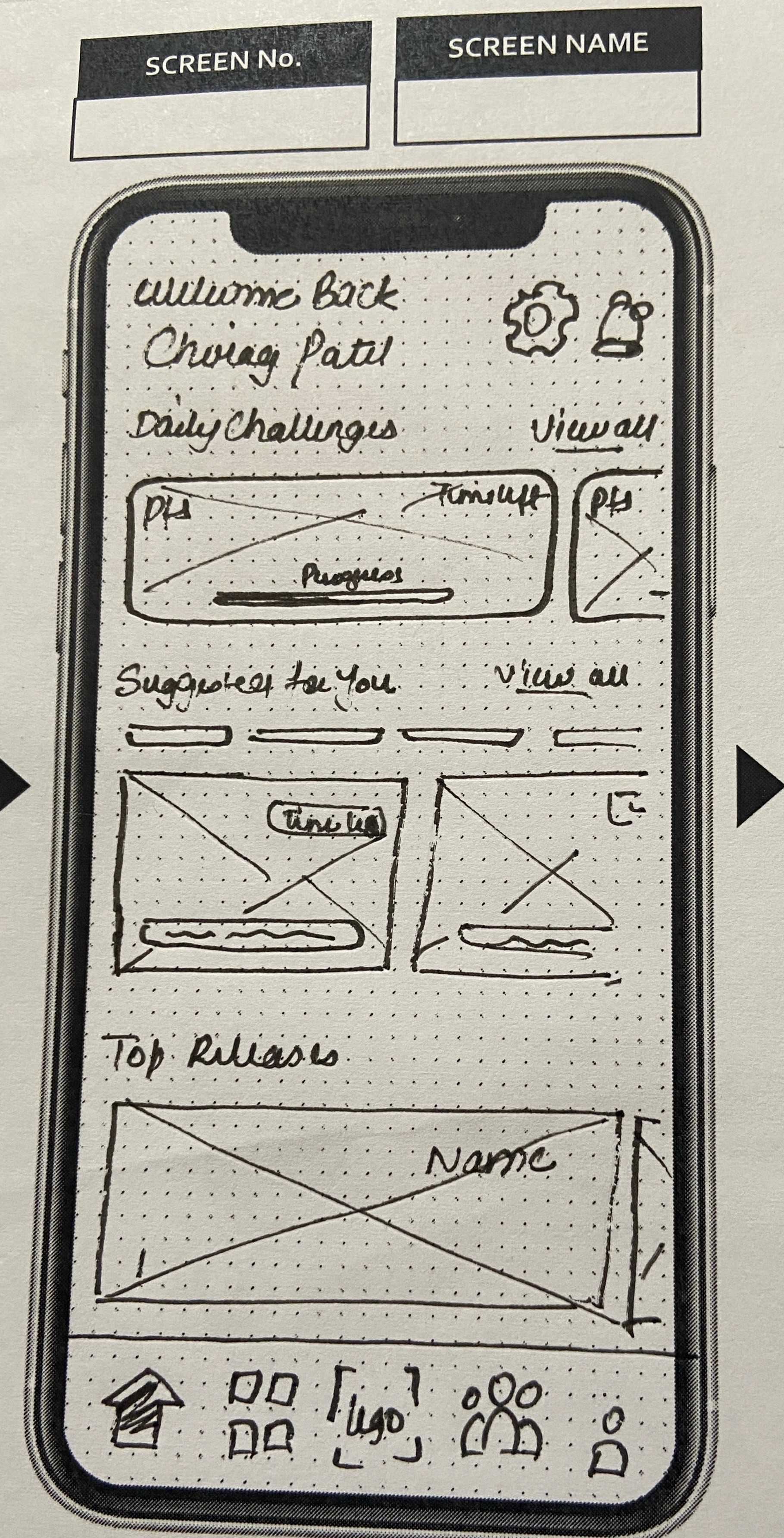
Once the feature direction was established, the next challenge was organising everything into a product that users could navigate easily.
Low-fidelity testing became the first reality check.
The initial prototype was tested with two participants.
These findings didn't just refine individual screens.
They affected how the product needed to be structured.
From feedback to information architecture
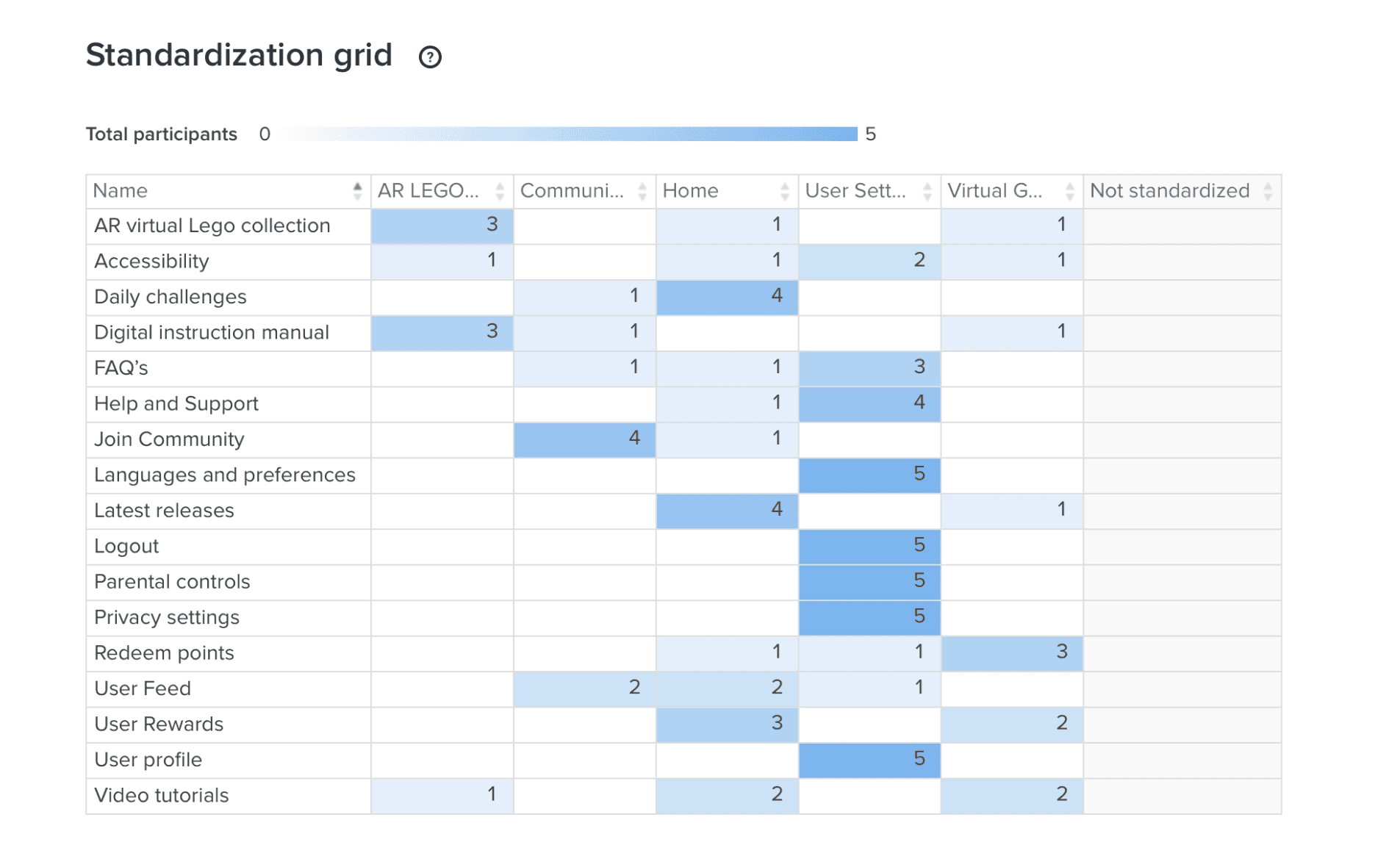
To understand how the growing feature set should be organised, I used card sorting to explore how users expected content and functionality to be grouped.
The results were translated into a sitemap defining the product hierarchy and navigation.
The outcome
The information architecture established a clearer relationship and gave the high-fidelity design a structure to build on.
From structure to high fidelity
With the core architecture established, I translated the experience into a high-fidelity mobile product.


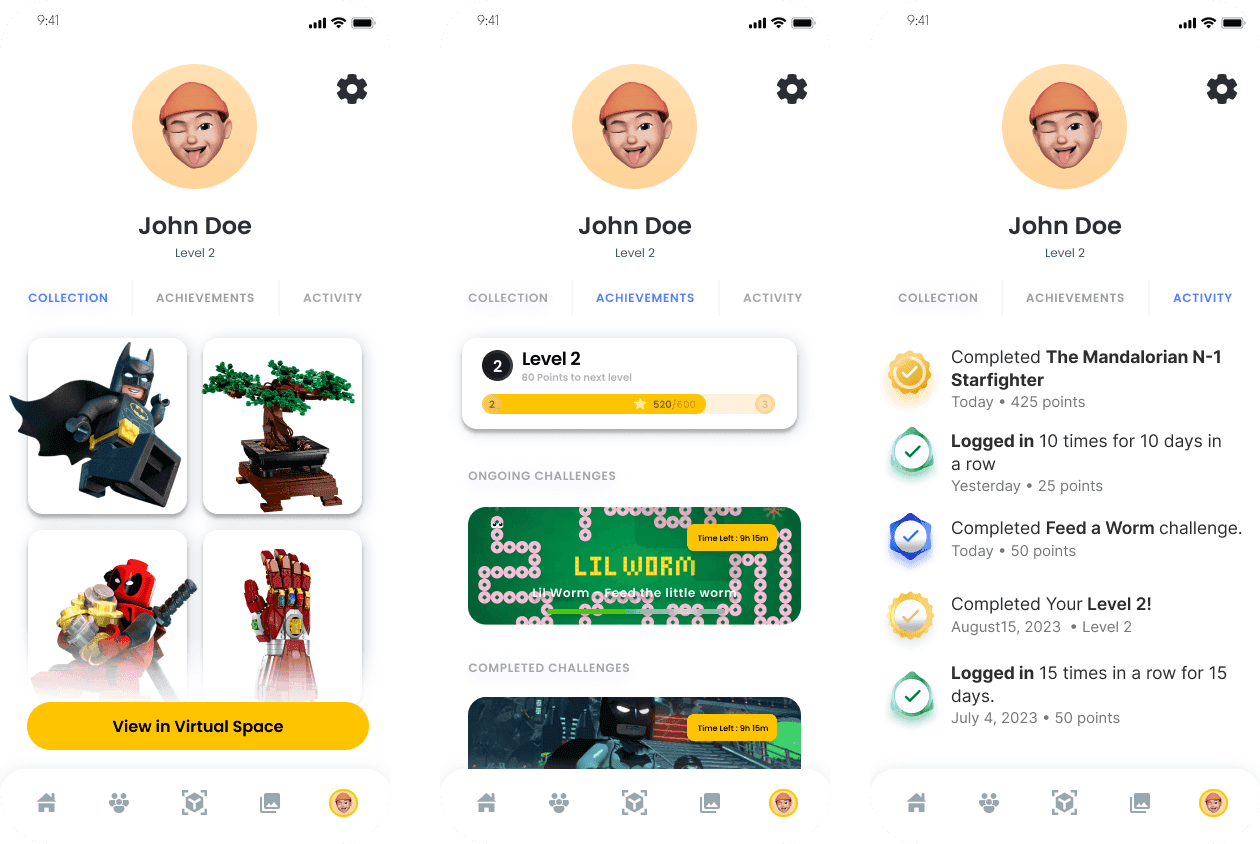


The prototype became the next research tool
The high-fidelity prototype was tested through four interviews across two rounds, allowing the design to be iterated between sessions. Heuristic evaluation was also used to prioritise usability issues by severity.


What changed through testing?
The first two high-fidelity interviews surfaced relatively small but important interaction problems.
Icon clarity
Some icons caused confusion.
→ Refined: Virtual Collection + AR Instruction Guide
Visibility
Some interface elements lacked sufficient visibility.
→ Refined: Visual hierarchy and interaction cues
Feedback
Users wanted clearer acknowledgement after completing challenges.
→ Refined: Completion feedback
